Monday, 26 September 2016

Dengue: Its Treatment with Pre & Probitocs

 Dengue: Why You Need to Know About It:


Dengue is no joke – it causes a “bone-breaking” illness and fever that basically wipes you out. The dengue fever virus is the most common virus that mosquitoes transmit and infects about 100 million people worldwide every year, killing about 25,000.


The WHO reports that over 2.5 billion people (that’s over 40% of the world’s population) are at risk for dengue (meaning, they live in an areas with dengue transmission), and an estimated 50-100 million infections occur worldwide each year.

Countries affected by Dengue

Let's Check how WHO defines Dengue


"Dengue is transmitted by the bite of a mosquito infected with one of the four dengue virus serotypes. It is a febrile illness that affects infants, young children and adults with symptoms appearing 3-14 days after the infective bite.

Dengue is not transmitted directly from person-to-person and symptoms range from mild fever, to incapacitating high fever, with severe headache, pain behind the eyes, muscle and joint pain, and rash. There is no vaccine or any specific medicine to treat dengue. People who have dengue fever should rest, drink plenty of fluids and reduce the fever using paracetamol or see a doctor.

Severe dengue (also known as dengue hemorrhagic fever) is characterized by fever, abdominal pain, persistent vomiting, bleeding and breathing difficulty and is a potentially lethal complication, affecting mainly children. Early clinical diagnosis and careful clinical management by trained physicians and nurses increase survival of patients."

Symptoms of dengue fever


A symptom is something the patient feels or reports, while a sign is something that other people, including the doctor detects. A headache may be an example of a symptom, while a rash may be an example of a sign.


As there are different severities of dengue fever, the symptoms can vary.

Mild dengue fever


Symptoms can appear up to seven days after the mosquito carrying the virus bites, and usually disappear after a week. This form of the disease hardly ever results in serious or fatal complications. The symptoms of mild dengue fever are:

  • Aching muscles and joints
  • Body rash that can disappear and then reappear
  • High fever
  • Intense headache
  • Pain behind the eyes
  • Vomiting and feeling nauseous.

Dengue hemorrhagic fever (DHF)

Symptoms during onset may be mild, but gradually worsen after a number of days. DHF can result in death if not treated in time. Mild dengue fever symptoms may occur in DHF, as well as the ones listed below:
  • Bleeding from your mouth/gums
  • Nosebleeds
  • Clammy skin
  • Considerably damaged lymph and blood vessels
  • Internal bleeding, which can result in black vomit and feces (stools)
  • Lower number of platelets in blood - these are the cells that help clot your blood
  • Sensitive stomach
  • Small blood spots under your skin
  • Weak pulse.

Dengue shock syndrome

This is the worst form of dengue which can also result in death, again mild dengue fever symptoms may appear, but others likely to appear are:
  • Intense stomach pain
  • Disorientation
  • Sudden hypotension (fast drop in blood pressure)
  • Heavy bleeding
  • Regular vomiting
  • Blood vessels leaking fluid
  • Death.

PROBIOTIC SUPPLEMENTATION, AS A TREATMENT IN DENGUE HEMORRHAGIC FEVER(DHF) I, II, III:


According to World Health Organization, dengue is the most rapidly spreading mosquito-borne viral disease in the world. In the last 50 years, the incidence has increased 30 fold with increasing geographic expansion to new countries. 

Man countries has done research on Probiotics against dengue and result was so encouraging! It can stop DHN in less than 24 hours!

In DHF probiotics supplementation was associated with:


  • Higher proportion of dengue patient with resolution of fever, nose bleeding noted as early as 24th hour of treatment.
  • Improvement of platelet count, hemoglobin and hematocrit was also noted.
  • Hospital stay was shortened to 3.2 days.
  • There was no significant effect on blood pressure, heart rate and respiratory rate.
  • No adverse event with probiotic supplementation was observed. 

Vitamin B1 as a mosquito repellant:


Vitamin B1 (thiamine) is water soluble vitamin that contributes a lot in metabolic chemical  reactions  occurring  in  the  human  body.  If vitamin B1 is ingested more than body’s  requirements, excess  amount is  expelled  in urine  and from  skin  by perspiration.  The  way vitamin  B1  is removed  by the skin  provides  the  possibility  to  avert  mosquitoes. Particularly  if  commercially  available  mosquito repellents  are  not  available,  this  thiamine  could  be justified regardless of an attempt.

Colostrum as immune system booster:


Colostrum, the first milk coming out from a mother after delivery, has been well known to provide immunoglobulins, which are antibodies to help boost children’s immune system in combating various infections.

With the season of rains and floods around, dengue and other forms of respiratory and intestinal infections cannot be far behind. The administration of colostrum preparations from cows (bovine colostrum) may help in warding off infections associated with a depressed immune system.

Colostrum work as anti dengue: Colostrum aims to activate microphages directly. 

Role of microphages: (NK cells) engulfs & digest cancer cells, viruses & microbes.

Gut associated lymphoid tissue,is said to be the biggest macrophage pool in the body. Plenty of mircrophages exist in the peyer’s patch & colostrums aims to activate these microphages directly. Platelet-derived growth factor (PDGF).

Anti-dengue activity in human milk did not decrease over a  period of ten months after delivery.

Why B-Gut on Dengue Fever:


B-Gut is an ideal mixture of Pre & Probiotic{Fructo Oligosaccharide, Lactic Acid Bacillus, Streptococcus Faecallis , Clostridium Butyricum, Bacillus Mesenterico}, Vitamin B Variants, Colostrum, Methionine and Zinc Sulphate which is needed in defeating Dengue Fever. 

B-Gut not only helps you to overcome from Dengue Fever, it also prevents you from Diarrhea and loose motions. Many patients reports that they have pain in chest, loose motions post dengue recovery. It is due to anxiety. 


Preventing a Dengue Epidemic:

According to the CDC, the best means for preventing the spread of dengue involves “sustainable, community-based, integrated mosquito control, with limited reliance on chemical insecticides.” By eliminating as many sources of standing water as possible, you’ll be eliminating mosquito eggs and larvae.

Items that collect rainwater or are used to store water, such as plastic containers, drums, buckets, or used automobile tires, should be covered or properly discarded since they are mosquito breeding grounds. Animal water dishes, birdbaths, and flowerpots should be emptied and cleaned at least once a week.


In order to minimize your chances for mosquito bites, you can do the following:
  • Make sure windows and doors are screened.
  • Use bed nets when sleeping in a tropical zone
  • Wear a safe mosquito repellent. Look for one with essential oils such as cinnamon oil, neem, and catnip, which are every bit are effective.
  • When outdoors during times when mosquitoes are biting, wear long-sleeved shirts, hats and long pants tucked into socks.

Trust this blog enhances your knowledge and increase trust in our Products. We will keep update you new information, new articles about Health Awareness. 

Our Motto is  to keep World Healthy and we are well determined to it.


HAPPY READING..


- P.A.I.D, (Patient Awareness Initiative Department) Quest Biotech India Pvt. Ltd.


Friday, 23 September 2016

Gestational Diabetes Mellitus (GDM) To Be Conquered by L-Carnitine(Part-2)

Complications


Most women who have gestational diabetes deliver healthy babies. However, gestational diabetes that's not carefully managed can lead to uncontrolled blood sugar levels and cause problems for you and your baby, including an increased likelihood of needing a C-section to deliver.

Complications that may affect Baby


If you have gestational diabetes, your baby may be at increased risk of:

Excessive birth weight. Extra glucose in your bloodstream crosses the placenta, which triggers your baby's pancreas to make extra insulin. This can cause your baby to grow too large (macrosomia).

Early (preterm) birth and respiratory distress syndrome. A mother's high blood sugar may increase her risk of early labor and delivering her baby before its due date. Or her doctor may recommend early delivery because the baby is large.

Babies born early may experience respiratory distress syndrome — a condition that makes breathing difficult. Babies with this syndrome may need help breathing until their lungs mature and become stronger. Babies of mothers with gestational diabetes may experience respiratory distress syndrome even if they're not born early.

Low blood sugar (hypoglycemia). Sometimes babies of mothers with gestational diabetes develop low blood sugar (hypoglycemia) shortly after birth because their own insulin production is high. Severe episodes of hypoglycemia may provoke seizures in the baby.

Type 2 diabetes later in life. Babies of mothers who have gestational diabetes have a higher risk of developing obesity and type 2 diabetes later in life. Untreated gestational diabetes can result in a baby's death either before or shortly after birth.

Complications that may affect Mother:


Gestational diabetes may also increase the mother's risk of:

High blood pressure and preeclampsia. Gestational diabetes raises your risk of high blood pressure, as well as, preeclampsia — a serious complication of pregnancy that causes high blood pressure and other symptoms that can threaten the lives of both mother and baby.

Future diabetes. If you have gestational diabetes, you're more likely to get it again during a future pregnancy. You're also more likely to develop type 2 diabetes as you get older. However, making healthy lifestyle choices such as eating healthy foods and exercising can help reduce the risk of future type 2 diabetes.

Of those women with a history of gestational diabetes who reach their ideal body weight after delivery, fewer than 1 in 4 eventually develops type 2 diabetes.

Prevention


Beginning prenatal care early and having regular prenatal visits helps improve your health and the health of your baby. Having prenatal screening at 24 - 28 weeks into the pregnancy will help detect gestational diabetes early.

If you are overweight, decreasing your body mass index (BMI) to a normal range before you get pregnant will decrease your risk of developing gestational diabetes.

Treatment

The goals of treatment are to keep blood sugar (glucose) levels within normal limits during the pregnancy, and to make sure that the growing baby is healthy.


WATCHING YOUR BABY

  • Your health care provider should closely check both you and your baby throughout the pregnancy. Fetal monitoring will check the size and health of the fetus.
  • A nonstress test is a very simple, painless test for you and your baby.
  • A machine that hears and displays your baby's heartbeat (electronic fetal monitor) is placed on your abdomen.
  • Your health care provider can compare the pattern of your baby's heartbeat to movements and find out whether the baby is doing well.

DIET AND EXERCISE

  • The best way to improve your diet is by eating a variety of healthy foods. You should learn how to read food labels, and check them when making food decisions. Talk to your doctor or dietitian if you are a vegetarian or on some other special diet.
  • In general, when you have gestational diabetes your diet should:
  • Be moderate in fat and protein
  • Provide your carbohydrates through foods that include fruits, vegetables, and complex carbohydrates (such as bread, cereal, pasta, and rice)
  • Be low in foods that contain a lot of sugar, such as soft drinks, fruit juices, and pastries
  • If managing your diet does not control blood sugar (glucose) levels, you may be prescribed diabetes medicine by mouth or insulin therapy.
  • Most women who develop gestational diabetes will not need diabetes medicines or insulin, but some will.


L-carnitine


L-carnitine is the biologically active form of the nonessential amino acid carnitine. Carnitine is produced in your body from the two amino acids methionine and lysine, and also is found in foods such as dairy products, meats and avocados. 

Supplementation with L-carnitine under medical supervision may benefit diabetic sufferers, although more research is needed to fully assess its efficacy.

L-carnitine and Gestational Diabetes Mellitus (GDM)

L-carnitine is involved in the transport of certain fatty acids into cells where they go through a process of oxidation. As a result of this process, energy is released. Supplementation with L-carnitine improves the usage of fat as a source of energy, lowers cholesterol and trygliceride levels and may reduce the risk of health problems in diabetics, who have impaired fat metabolism. L-carnitine has a protective effect on heart muscles and function, thus diabetics may benefit again from this supplement, as diabetes increases the risk of developing heart conditions. In clinical research, L-carnitine has been found to enhance the efficacy of conventional drugs in improving glucose and lipid levels in diabetics.

Scientists from the University of Vienna noted deficiency of carnitine in pregnant women from the 12th week of gestation through delivery leads to down-regulation of expression of certain enzymes involved in fatty acid metabolism; low mRNA levels of these enzymes promotes an increase in free fatty acid levels conducive to insulin resistance. The researchers found supplementation with L-carnitine tartrate increased relative mRNA levels of these enzymes in pregnant women.

In a release on the findings, researchers noted there appears to be increasing evidence that L-carnitine may play an important role during pregnancy, particularly in women following a meat-reduced or vegetarian diet.

CRT-E in Gestational Diabetes Mellitus (GDM)


Keep Up The Vigor


L Cartinine Supplementation to Prevent or Gestational diabetes mellitus(GDM):

“The results of the present study provide evidence that L-carnitine supplementation in pregnancy (2 g/day) avoids a striking increase in plasma FFA(free fatty acid), which are thought to be the main cause of insulin resistance and consequently gestational diabetes mellitus.”

Gynakol Geburtshilfliche Rundsch. 2009;49(4):230-5. doi: 10.1159/000301075. Epub 2010 May 19.


Trust this blog enhances your knowledge and increase trust in our Products. We will keep update you new information, new articles about Health Awareness. 

Our Motto is  to keep World Healthy and we are well determined to it.


HAPPY READING..


- P.A.I.D, (Patient Awareness Initiative Department) Quest Biotech India Pvt. Ltd.


Monday, 19 September 2016

Gestational Diabetes Mellitus (GDM) To Be Conquered by L-Carnitine(Part-1)

Gestational diabetes mellitus (GDM) affects between 2% and 5% of pregnant women. It is especially common during the last third of pregnancy. It affects 1% of those under the age of 20 and 13% of those over the age of 44. A number of ethnic groups including Asians, American Indians, Indigenous Australians, and Pacific Islanders are at higher risk. In 90% of people gestational diabetes will resolve after the baby is born. Women; however, are at an increased risk of developing type 2 diabetes. See the images:


Insulin is a hormone whose job is to enable glucose (sugar) in the bloodstream to enter the cells of the body, where sugar is the source of energy. All fetuses (babies) and placentas (afterbirths) produce hormones that make the mother resistant to her own insulin.

Most pregnant women produce more insulin to compensate and keep their blood sugar level normal. Some pregnant women cannot produce enough extra insulin and their blood sugar level rises, a condition called gestational diabetes. Gestational diabetes affects between 5 and 18 percent of women during pregnancy, and usually goes away after delivery.

What is Gestational diabetes mellitus (GDM)?

Gestational diabetes mellitus (GDM) is defined as glucose intolerance of various degrees that is first detected during pregnancy. GDM is detected through the screening of pregnant women for clinical risk factors and, among at-risk women, testing for abnormal glucose tolerance that is usually, but not invariably, mild and asymptomatic. 

GDM appears to result from the same broad spectrum of physiological and genetic abnormalities that characterize diabetes outside of pregnancy. Indeed, women with GDM are at high risk for having or developing diabetes when they are not pregnant.


Gestational diabetes mellitus (GDM) represents a heterogeneous group of metabolic disorders, which result in varying degrees of maternal hyperglycemia and pregnancy-associated risk. The frequency of GDM is rising globally and may also increase further as less-stringent criteria for the diagnosis are potentially adopted.

You may have a greater risk of developing gestational diabetes if you:


  • Are obese when you become pregnant
  • Have high blood pressure or other medical complications
  • Have given birth to a large (greater than 9 pounds) baby before
  • Have given birth to a baby that was stillborn or suffering from certain birth defects
  • Have had gestational diabetes in previous pregnancies
  • Have a family history of diabetes
  • Come from certain ethnic backgrounds, including African, Hispanic, Asian, Native American, or Pacific Islander
  • Are older than 30

But half of women who develop gestational diabetes have no risk factors.

What are the symptoms of gestational diabetes?


Gestational diabetes typically does not cause any noticeable signs or symptoms. This is why screening tests are so important. Rarely, an increased thirst or increased urinary frequency may be noticed.

Causes of gestational diabetes


Researchers don't know why some women develop gestational diabetes. To understand how gestational diabetes occurs, it can help to understand how pregnancy affects your body's glucose processing.

Your body digests the food you eat to produce sugar (glucose) that enters your bloodstream. In response, your pancreas — a large gland behind your stomach — produces insulin. Insulin is a hormone that helps glucose move from your bloodstream into your body's cells, where it's used as energy.

During pregnancy, the placenta, which connects your baby to your blood supply, produces high levels of various other hormones. Almost all of them impair the action of insulin in your cells, raising your blood sugar. Modest elevation of blood sugar after meals is normal during pregnancy.

As your baby grows, the placenta produces more and more insulin-blocking hormones. In gestational diabetes, the placental hormones provoke a rise in blood sugar to a level that can affect the growth and welfare of your baby. Gestational diabetes usually develops during the last half of pregnancy — sometimes as early as the 20th week, but generally not until later.


Exams and Tests


Gestational diabetes usually starts halfway through the pregnancy. All pregnant women should receive an oral glucose tolerance test between the 24th and 28th week of pregnancy to screen for the condition. Women who have risk factors for gestational diabetes may have this test earlier in the pregnancy.

Once you are diagnosed with gestational diabetes, you can see how well you are doing by testing your glucose level at home. The most common way involves pricking your finger and putting a drop of your blood on a machine that will give you a glucose reading.


To know more about Complications of GDM and its effect on Baby & Mother, and how to conquer GDM by L-Carnitine read second part of this Blog.


Trust this blog enhances your knowledge and increase trust in our Products. We will keep update you new information, new articles about Health Awareness. 


Our Motto is  to keep World Healthy and we are well determined to it.


HAPPY READING..


- P.A.I.D, (Patient Awareness Initiative Department) Quest Biotech India Pvt. Ltd.


Saturday, 10 September 2016

All About INFERTILITY


Female infertility refers to infertility in female humans. It affects an estimated 48 million women with the highest prevalence of infertility affecting people in South Asia, Sub-Saharan Africa, North Africa/Middle East, and Central/Eastern Europe and Central Asia. Infertility is caused by many sources, including nutrition, diseases, and other malformations of the uterus. Infertility affects women from around the world, and the cultural and social stigma surrounding it varies.

What is exactly Infertility?


NICE guidelines state that: "A woman of reproductive age who has not conceived after 1 year of unprotected vaginal sexual intercourse, in the absence of any known cause of infertility, should be offered further clinical assessment and investigation along with her partner."

A clinical definition of infertility by the WHO and ICMART is “a disease of the reproductive system defined by the failure to achieve a clinical pregnancy after 12 months or more of regular unprotected sexual intercourse.” 


To become pregnant, each of these factors is essential:

  • You need to ovulate. Achieving pregnancy requires that your ovaries produce and release an egg, a process known as ovulation. Your doctor can help evaluate your menstrual cycles and confirm ovulation.
  • Your partner needs sperm. For most couples, this isn't a problem unless your partner has a history of illness or surgery. Your doctor can run some simple tests to evaluate the health of your partner's sperm.
  • You need to have regular intercourse. You need to have regular sexual intercourse during your fertile time. Your doctor can help you better understand when you're most fertile during your cycle.
  • You need to have open fallopian tubes and a normal uterus. The egg and sperm meet in the fallopian tubes, and the pregnancy needs a healthy place to grow.

For pregnancy to occur, every part of the complex human reproduction process has to take place just right. The steps in this process are as follows:

  • One of the two ovaries releases a mature egg.
  • The egg is picked up by the fallopian tube.
  • Sperm swim up the cervix, through the uterus and into the fallopian tube to reach the egg for fertilization.
  • The fertilized egg travels down the fallopian tube to the uterus.
  • The fertilized egg implants and grows in the uterus.
  • In women, a number of factors can disrupt this process at any step. Female infertility is caused by one or more of these factors.

What Causes Female Infertility?

There are a number of things that may be keeping you from getting pregnant:

Damage to your fallopian tubes. These structures carry eggs from your ovaries, which produce eggs, to the uterus, where the baby develops. They can get damaged when scars form after pelvic infections, endometriosis, and pelvic surgery. That can prevent sperm from reaching an egg.

Hormonal problems. You may not be getting pregnant because your body isn't going through the usual hormone changes that lead to the release of an egg from the ovary and the thickening of the lining of the uterus.

Cervical issues. Some women have a condition that prevents sperm from passing through the cervical canal.

Uterine trouble. You may have polyps and fibroids that interfere with getting pregnant. Uterine polyps and fibroids happen when too many cells grow in the endometrium, the lining of the uterus.

"Unexplained" infertility. For about 20% of couples who have infertility problems, the exact causes are never pinpointed.


Tests for Infertility:

Your doctor may order several tests, including a blood test to check hormone levels and an endometrial biopsy to examine the lining of your uterus.

Hysterosalpingography (HSG). This procedure involves ultrasound or X-rays of your reproductive organs. A doctor injects either dye or saline and air into your cervix, which travel up through your fallopian tubes. With this method, your doctor can check to see if the tubes are blocked.

Laparoscopy. Your doctor puts a laparoscope -- a slender tube fitted with a tiny camera -- through a small cut near your belly button. This lets him view the outside of your uterus, ovaries, and fallopian tubes to check for abnormal growths. The doctor can also see if your fallopian tubes are blocked.


How Is Female Infertility Treated?

Laparoscopy. If you've been diagnosed with tubal or pelvic disease, one option is to get surgery to reconstruct your reproductive organs. Your doctor puts a laparoscope through a cut near your belly button to get rid of scar tissue, treat endometriosis, open blocked tubes, or remove ovarian cysts, which are fluid-filled sacs that can form in the ovaries.

Womfil as a Treatment for Infertility:

According to various study, i,e. Sildenafil Citrate, our Brand name is Womfil has been shown to be useful in increasing endometrial thickness and achieving pregnancy in women with varied uterine disorders.

Womfil is an effective and EFFERVESCENT Tablet which will Empower Women, and nurtures Life. 

Trust this blog enhances your knowledge and increase trust in our Products. We will keep update you new information, new articles about Health Awareness. 


Our Motto is  to keep World Healthy and we are well determined to it.


HAPPY READING..


- P.A.I.D, (Patient Awareness Initiative Department) Quest Biotech India Pvt. Ltd.


Saturday, 13 August 2016

Oxidative Stress is Aging You


On this "ORGAN DONATION DAY", we P.A.I.D (Patient Awareness Initiative Department) at Quest Biotech(India) Pvt. Ltd. take this opportunity to make you aware about Organ Donation as well as Oxidative Stress, who is slowly making our body aging.

Let us make our-self more Healthier and Happier.


From the holistic, or functional perspective, there are only a few major causes of all the chronic illnesses that cause so much suffering. One of them is oxidative stress.

The most visible signs of out of control oxidation are the signs of aging – wrinkles, arthritis, stiff joints, loss of flexibility, farsightedness and so on.

Open fire is a great example of oxidation. Every cell in your body has to oxidize carbohydrates and turn them into energy. This metabolic process has to be protected through antioxidants.

The process of oxidation is essential and necessary for your body’s functioning – it is how we generate all cellular energy. Out of control oxidation contributes to, or is the cause of, practically every known disease that is occurring inside of you at this very moment.

Oxidative stress is the result of dietary choices, lifestyle habits, stress and environmental exposures.

Oxidation is one of the basic principles of life. It is not all bad – we need it to live, and we need to keep it in balance. We know oxidation as the rust on our car, the brown stains on a freshly cut apple or potato when exposed to air, the rancid smell of vegetable oil on stale foods, and even the wrinkles that form on our skin.


What is Oxidative Stress?

Oxidative stress is essentially an imbalance between the production of free radicals and the ability of the body to counteract or detoxify their harmful effects through neutralization by antioxidants.


What are Free Radicals?

A free radicals is an oxygen containing molecule that has one or more unpaired electrons, making it highly reactive with other molecules.

Oxygen by-products are relatively unreactive but some of these can undergo metabolism within the biological system to give rise to these highly reactive oxidants.

Not all reactive oxygen species are harmful to the body. Some of them are useful in killing invading pathogens or microbes.


Antioxidants: their role in health

Oxygen is essential to life, but as our bodies use oxygen, we generate by-products known as reactive oxygen species (ROS) or, more commonly, free radicals. These compounds are a normal part of the body's stress response, but they can damage healthy cells and are especially likely to attack the fats that provide structure to the membranes surrounding body cells. Free radicals are also produced from exposure to cigarette smoke, excess exposure to the sun, drinking alcohol, from exposure to large amounts of heavy metals and during any inflammatory response. Antioxidants neutralise the effects of free radicals, but activity may be limited to specific antioxidants.

Antioxidants also help slow down the aging process, which can have immense effects on your skin health.


Other important benefits of antioxidants include:

  • Repairing damaged molecules – Some unique types of antioxidants can repair damaged molecules by donating a hydrogen atom. This is very important when the molecule is a critical one, like your DNA.
  • Blocking metal radical production – Some antioxidants have a chelating effect – they can grab toxic metals like mercury and arsenic, which can cause free radical formation, and "hug" them so strongly to prevent any chemical reaction from taking place. Water-soluble chelating agents can also escort toxic metals out of your body through your urine.
  • Stimulating gene expression and endogenous antioxidant production – Some antioxidants can stimulate your body's genes and increase your natural defenses.
  • Providing a "shield effect" – Antioxidants, such as flavonoids, can act as a virtual shield by attaching to your DNA to protect it from free radicals attacks.
  • Promoting cancer cells to "commit suicide" – Some antioxidants can provide anti-cancer chemicals that halt cancer growth and force some cancer cells to self-destruct (apoptosis).

Numerous studies have confirmed the benefits of antioxidants and the role they play in maintaining good health and reducing your risk of heart disease, Parkinson's, Alzheimer's, and cancer.


Life is another name of challenge, our life is full of challenges on day to day activity, we wake up and start our day and our new challenge is along with us like a companion, in today’s world we can’t imagine life without this companion called challenge.

This challenge has two faces, means it mostly fulfil our desire but always reward us with certain unwanted gifts called OXIDATIVE STRESS.


In today’s contest we can’t imagine life without Oxidative Stress, these Oxidative Stresses are very complicated for our life as well as for our internal organs. Oxidative stress first of all affect our internal system and than our surface.


Taking care of our internal system is very important for JOURNEY CALLED LIFE.


For the Protection against this culprit called Oxidative Stresses  we offer OXIQST Capsule. Healthy support for you and your internal organ for today n afterward.


Jindagi  ke saat bhi....jindagi ke baad bhi...

OXIQST: THE ACTIVE BIOENERGIZER:

The BIOENERGIZER SYSTEM - "Oxiqst Capsule" take care of your health and keep fit all your vital organs.

OXIQST introduces a new concept in supplements taken for daily health and energy through a wider range of distinctly balanced nutrients that provide the crucial health value from three important areas: Daily essentials, botanical energizers and system defenders that include anti-oxidants and Bioenergizer.


Composed of a greater number of revitalizing nutrients from more natural sources than any product, OXIQST supplements are the supreme Whole Food Bio Energizers.


  • AS A CLEANSER,
  • HEALER AND ENERGIZER,
Oxiqst strengthens the body to protect itself and fight against a wider range of physiological conditions that lead to ailments such as hypertension, diabetes and cancer, infertility  among others.

  • A complete BioEnergizer & antioxidant System.
  • Mix of Unique  Carotenoids, Flavonids, Polyphenols,Phytosterols with Vitamins and Minerals.
  • Revitalizing Phytonutrients from natural source.
  • Act as a Cleanser
  • Healer
  • Energizer
  • Strengthen the body tissue
  • Overall well-being of human body.
  • Highly effective in infertility
  • Offer complete line of antioxidant defense.
  • Highest Singlet oxygen quenching ability.
  • Highest ORAC Score among antioxidants.
  • Pocket friendly – Min MRP-13/Cap to max-19/cap

On this Organ Donation Day, We "P.A.I.D" (Patient Awareness Initiative Department) at QUEST BIOTECH(INDIA) PVT LTD take this pledge to provide you QUALITY PRODUCT'S for the wellness and health of your loved one and yourself. 

For the HEALTH of your SYSTEM love your ORGAN and DONATE for someone LIFE...remain ALIVE for another Life by taking pledge to DONATE ORGAN FOR LIFE......


Trust this blog enhances your knowledge and increase trust in our Products. We will keep update you new information, new articles about Health Awareness. 


Our Motto is  to keep World Healthy and we are well determined to it.


HAPPY READING..


- P.A.I.D, (Patient Awareness Initiative Department) Quest Biotech India Pvt. Ltd.


Tuesday, 9 August 2016

Allergy - Symptoms, Treatment (All You Need To Know)

Most of the people loves monsoon season. Rainy season reminds us of lots of good memories of playing in rains, outings in nature, eating spicy & tasty food, drinking lots of hot soups, tea, coffee, being romantic & listening to romantic songs & many more.

But if you ask a patient of Allergy or Asthma he will narrate you the exact opposite story.

Yes!! Patients with Allergies & Asthma get aggravation during rainy season.


Continuous moisture which creates dampness in the houses or closed places can give rise to fungus, moulds (Filamentous Fungi) which can cause or aggravate the Allergy, which in turn can aggravate the Allergic Asthma in Patients.

So try to keep surrounding area dry & airy which will reduce the chances of aggravation.

During rains there is increase in number of pollens, which may lead to aggravation of allergy attacks. Lets check what is Allergy?

What is Allergy?

Allergy occurs when a person's immune system reacts to substances in the environment that are harmless for most people. These substances are known as allergens and are found in house dust mites, pets, pollen, insects, moulds, foods and some medicines.

Atopy is the genetic (inherited) tendency to develop allergic diseases. People with atopy are said to be atopic.


When atopic people are exposed to allergens they can develop an immune reaction that leads to allergic inflammation (redness and swelling).

This can then cause symptoms in the:

  • nose and/or eyes - hay fever (allergic rhinitis/conjunctivitis)
  • skin - eczema, hives (urticaria)
  • lungs - asthma

A substance that is an allergen for one person may not be for another - everyone reacts differently. The likelihood (or risk) of developing allergies is increased if other family members suffer from allergy or asthma.


What is Causing Your Allergy?

Allergic reactions are caused by substances in the environment known as allergens. Almost anything can be an allergen for someone. Proteins are organic substances which contain hydrogen, oxygen and nitrogen, and form an important part of all living organisms. There are also found in food, along with fats, carbohydrates and other substances. However, only proteins can cause true allergic reactions.


The most common causes of allergic reactions are:

  • Pollen from trees and grasses
  • Proteins secreted from house dust mites
  • Moulds
  • Foods such as peanuts, tree nuts, milk and eggs
  • Pets such as cats and dogs, and other furry or hairy animals such as horses, rabbits and guinea Pigs
  • Insects such as wasps and bees
  • Medicines (these may cause reactions by binding to proteins in the blood, which then trigger the reaction).


What Happens When You Have an Allergic Reaction?

When a person who is allergic to a particular allergen comes into contact with it, an allergic reaction occurs. This begins when the allergen (for example, pollen) enters the body, triggering an antibody response. The antibodies attach themselves to special cells, including cells called mast cells. When the allergen comes into contact with the antibodies, these cells respond by releasing certain substances, one of which is called histamine. These substances cause swelling, inflammation and itching of the surrounding tissues, which is extremely irritating and uncomfortable.


Common symptoms associated with allergic conditions include:
  • sneezing
  • wheezing
  • sinus pain
  • runny nose
  • coughing
  • nettle rash / hives
  • swelling
  • itchy eyes, ears, lips throat and mouth
  • shortness of breath
  • sickness, vomiting & diarrhoea
  • increase in nasal and airway secretions
There may be many reasons why you may experience any of the above symptoms, however, if you think that you have an allergy or an intolerance you should seek advice from your GP.

Which areas of the body may be affected?

Depending on the allergen and where it enters your body, you may experience different symptoms. For example, pollen, when breathed in through the nose, usually causes symptoms in the nose, eyes, sinuses and throat (allergic rhinitis). Allergy to foods usually causes stomach or bowel problems, and may cause hives (urticaria).  Allergic reactions can also involve several parts of the body at the same time.


The nose, eyes, sinuses and throat

When allergens are breathed in, the release of histamine causes the lining of your nose to produce lots of mucus and to become swollen and inflamed. It causes your nose to run and itch and violent sneezing may occur. Your eyes may also start to water and you may get a sore throat.

The lungs and chest

Asthma can sometimes be triggered during an allergic reaction. When an allergen is breathed in, the lining of the passages in the lungs swells and makes breathing difficult. Not all asthma is caused by allergy, but in many cases allergy plays a part.

The stomach and bowel

Most stomach upsets are caused by richness or spiciness in the food itself, rather than an actual allergy. However, foods which are most commonly associated with allergy include peanuts, seafood, dairy products and eggs. 

Cow's milk allergy in infants may occur and can cause eczema, asthma, colic and stomach upset. It may also lead to failure to thrive. Some people cannot digest lactose (milk sugar). This intolerance to lactose also causes stomach upsets, but must not be confused with allergy.

The skin

Skin problems such as eczema (dry, red, itchy skin) and urticaria (also known as hives) often occur. Hives are white itchy bumps which look and feel like insect bites. Food may be a factor in some cases of hives and eczema.

Montekulast & Fexofinadine As Antiallergic:

Montelukast:

USES: Montelukast is used regularly to prevent the wheezing and shortness of breath caused by asthma and decrease the number of asthma attacks. 

Montelukast is also used before exercise to prevent breathing problems during exercise (bronchospasm). This medication can help decrease the number of times you need to use your rescue inhaler. 

This medication is also used to relieve symptoms of hay fever and allergic rhinitis (such as sneezing, stuffy/runny/itchy nose).

This medication does not work immediately and should not be used to treat sudden asthma attacks or other breathing problems.This drug works by blocking certain natural substances (leukotrienes) that may cause or worsen asthma and allergies. It helps make breathing easier by reducing swelling (inflammation) in the airways.

What is Fexofenadine?

USES: Fexofenadine is an antihistamine that reduces the effects of natural chemical histamine in the body. Histamine can produce symptoms of sneezing, itching, watery eyes, and runny nose.

Fexofenadine is used to treat the symptoms of seasonal allergies (hay fever) in adults and children.

Fexofenadine is also used to treat skin itching and hives caused by a condition called chronic idiopathic urticaria in adults and children.


MONQST-FX -  Stand Against the Next Exacerbation:


  • Our Product Monqst -FX is an appropriate mixture of Montekulast & Fexofinadine.
  • Monqst - FX make you to Live An Allergy Free Life.
  • Monqst - FX is a Fast Acting drug on Allergy which gives you complete relief.
  • It improves QOL - Quality of Life.
  • This is having Excellent Safety profile with Persistent Result.
Monqst - FX is very effective on:

  • Asthma
  • Allergic Rhinitis
  • Bronchitis
  • COPD
  • Urticaria
  • Allergic Conditions.

Trust this blog enhances your knowledge and increase trust in our Products. We will keep update you new information, new articles about Health Awareness. 


Our Motto is  to keep World Healthy and we are well determined to it.


HAPPY READING..


P.A.I.D, (Patient Awareness Initiative Department) Quest Biotech India Pvt. Ltd.

Tuesday, 2 August 2016

BREASTFEEDING: Good For BABY, Good For MOM


World Breastfeeding Week (WBW) is an annual celebration which is being held every year from 1 to 7 August in more than 120 countries.

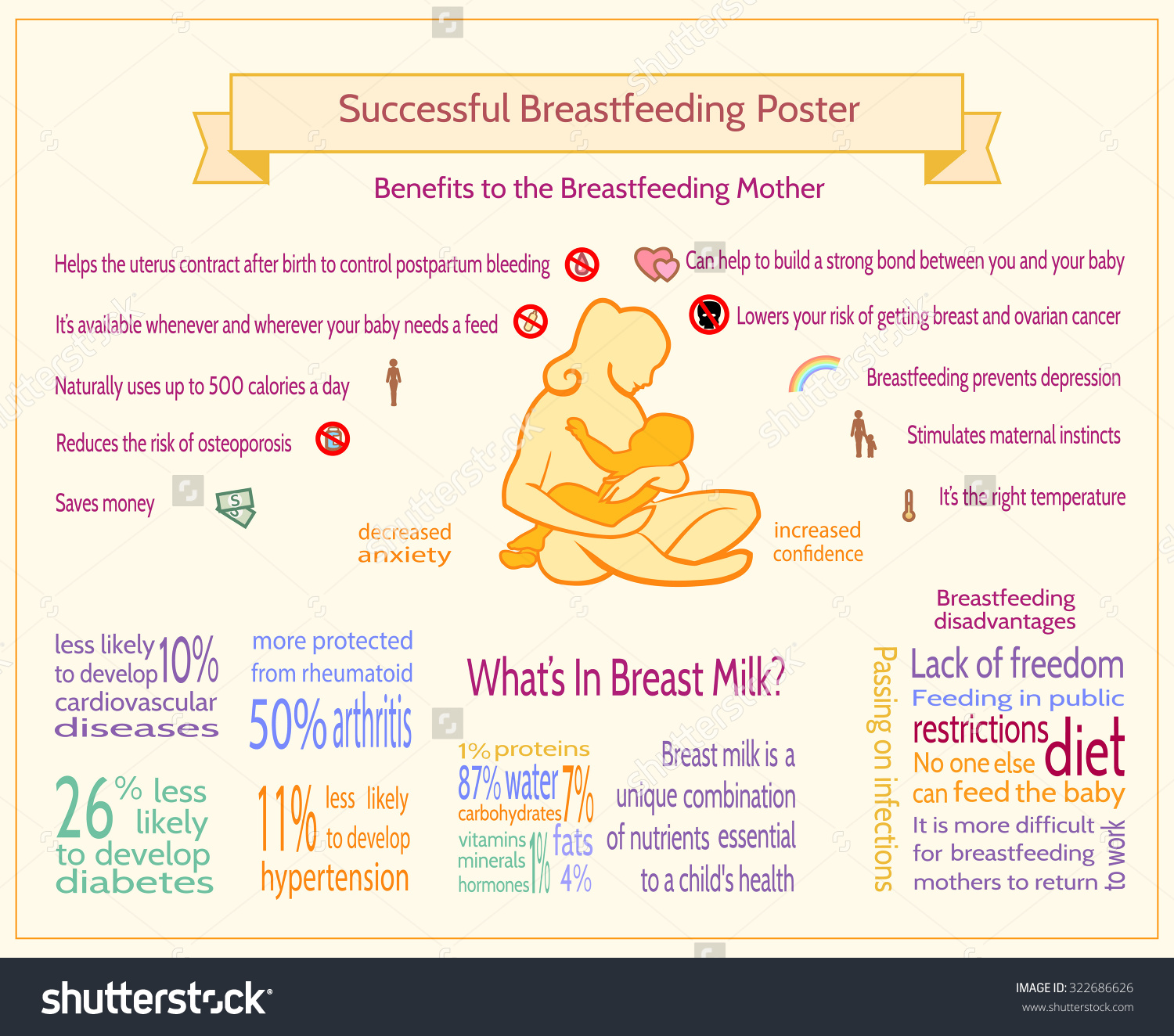
On this day, we at Quest Biotech India Pvt. Ltd. take this as our responsibility to aware people about Benefits of Breastfeeding to Mom and Baby. We tried to cover all points.

Breast milk is best for your baby, and the benefits of breastfeeding extend well beyond basic nutrition. In addition to containing all the vitamins and nutrients your baby needs in the first six months of life, breast milk is packed with disease-fighting substances that protect your baby from illness.

What Are the Benefits of Breastfeeding for Your Baby?

Breast milk provides the ideal nutrition for infants. It has a nearly perfect mix of vitamins, protein, and fat -- everything your baby needs to grow. And it's all provided in a form more easily digested than infant formula. Breast milk contains antibodies that help your baby fight off viruses and bacteria. Breastfeeding lowers your baby's risk of having asthma or allergies. Plus, babies who are breastfed exclusively for the first 6 months, without any formula, have fewer ear infections, respiratory illnesses, and bouts of diarrhea. 


Breastfeeding has been linked to higher IQ scores in later childhood in some studies. What's more, the physical closeness, skin-to-skin touching, and eye contact all help your baby bond with you and feel secure. Breastfed infants are more likely to gain the right amount of weight as they grow rather than become overweight children. Breastfeeding also plays a role in the prevention of SIDS (sudden infant death syndrome). It's been thought to lower the risk of diabetes, obesity, and certain cancers as well, but more research is needed.

"The longer you breastfeed, the longer the protection lasts and the greater the benefits. Formula milk doesn't provide the same protection from illness and doesn't give you any health benefits."


Breastfeeding reduces the risk of:
·       
  •  infections, with fewer visits to hospital as a result
  •  diarrhoea and vomiting, with fewer visits to hospital as a result
  •  sudden infant death syndrome (SIDS)
  •  childhood leukaemia
  • type 2 diabetes
  • obesity
  •  cardiovascular disease in adulthood

Are There Breastfeeding Benefits for the Mother?

Breastfeeding burns extra calories, so it can help you lose pregnancy weight faster. It releases the hormone oxytocin, which helps your uterus return to its pre-pregnancy size and may reduce uterine bleeding after birth. Breastfeeding also lowers your risk of breast and ovarian cancer. It may lower your risk of osteoporosis, too.

Since you don't have to buy and measure formula, sterilize nipples, or warm bottles, it saves you time and money. It also gives you regular time to relax quietly with your newborn as you bond.
Breastfeeding and making breast milk also has health benefits for you. The more you breastfeed, the greater the benefits.

Breastfeeding Benefits for Mothers:

Reduces the risk of breast cancer. Women who breastfeed reduce their risk of developing breast cancer by as much as 25 percent. The reduction in cancer risk comes in proportion to the cumulative lifetime duration of breastfeeding. That is, the more months or years a mother breastfeeds, the lower her risk of breast cancer.

Reduces the risk of uterine and ovarian cancer. One of the reasons for the cancer-fighting effects of breastfeeding is that estrogen levels are lower during lactation. It is thought that the less estrogen available to stimulate the lining of the uterus and perhaps breast tissue also, the less the risk of these tissues becoming cancerous.

Lessens osteoporosis. Non-breastfeeding women have a four times greater chance of developing osteoporosis than breastfeeding women and are more likely to suffer from hip fractures in the post-menopausal years.

Benefits child spacing. Since breastfeeding delays ovulation, the longer a mother breastfeeds the more she is able to practice natural childspacing, if she desires. How long a woman remains infertile depends on her baby’s nursing pattern and her own individual baby.

Promotes emotional health. Not only does breastfeeding benefit a mother’s body, it also benefits her mind. Studies show that breastfeeding mothers show less postpartum anxiety and depression than do formula-feeding mothers.

Promotes postpartum weight loss. Breastfeeding mothers showed significantly larger reductions in hip circumference and more fat loss by one month postpartum when compared with formula-feeding moms. Breastfeeding mothers tend to have an earlier return to their pre-pregnant weight.


What is colostrum and how does it help my baby?

Your breastmilk helps your baby grow healthy and strong from day one.

Your first milk is liquid gold. Called liquid gold for its deep yellow color, colostrum (coh-LOSS-trum) is the thick first milk that you make during pregnancy and just after birth. This milk is very rich in nutrients and includes antibodies to protect your baby from infections.

Colostrum also helps your newborn infant's digestive system to grow and function. Your baby gets only a small amount of colostrum at each feeding, because the stomach of a newborn infant is tiny and can hold only a small amount. 

Your milk changes as your baby grows. Colostrum changes into mature milk by the third to fifth day after birth. This mature milk has just the right amount of fat, sugar, water, and protein to help your baby continue to grow. It looks thinner than colostrum, but it has the nutrients and antibodies your baby needs for healthy growth.


Does my breastfeeding baby need more vitamin D?

Maybe. Vitamin D is needed to build strong bones. All infants and children should get at least 400 International Units (IU) of vitamin D each day.

To meet this need, your child's doctor may recommend that you give your baby a vitamin D supplement of 400 IU each day. This should start in the first few days of life. You can buy vitamin D supplements for infants at a drugstore or grocery store.

Even though sunlight is a major source of vitamin D, it is hard to measure how much sunlight your baby gets and sun exposure can be harmful. Once your baby is weaned from breastmilk, talk to your baby's doctor about whether your baby still needs vitamin D supplements. Some children do not get enough vitamin D from the food they eat.


How does breastfeeding compare to formula-feeding?
  • Formula can be harder for your baby to digest. For most babies, especially premature babies, breastmilk substitutes like formula are harder to digest than breastmilk. Formula is made from cow's milk, and it often takes time for babies' stomachs to adjust to digesting it.
  • Life can be easier for you when you breastfeed. Breastfeeding may seem like it takes a little more effort than formula-feeding at first. But breastfeeding can make your life easier once you and your baby settle into a good routine. When you breastfeed, there are no bottles and nipples to sterilize. You do not have to buy, measure, and mix formula. And there are no bottles to warm in the middle of the night! When you breastfeed, you can satisfy your baby's hunger right away.
  • Not breastfeeding costs money. Breastfed babies may also be sick less often, which can help keep your baby's health costs lower.
  • Breastfeeding keeps mother and baby close. Physical contact is important to newborns. It helps them feel more secure, warm, and comforted. Mothers also benefit from this closeness. The skin-to-skin contact boosts your oxytocin (OKS-ee-TOH-suhn) levels. Oxytocin is a hormone that helps breastmilk flow and can calm the mother.


Can breastfeeding help me lose weight?

Besides giving your baby nourishment and helping to keep your baby from becoming sick, breastfeeding may help you lose weight. Many women who breastfed their babies said it helped them get back to their pre-pregnancy weight more quickly, but experts are still looking at the effects of breastfeeding on weight loss.


How does breastfeeding benefit society?

Society benefits overall when mothers breastfeed.

  • Breastfeeding saves lives. Recent research shows that if 90% of families breastfed exclusively for 6 months, nearly 1,000 deaths among infants could be prevented.
  • Breastfeeding saves money. The United States would also save $2.2 billion per year — medical care costs are lower for fully breastfed infants than never-breastfed infants. Breastfed infants usually need fewer sick care visits, prescriptions, and hospitalizations.
  • Breastfeeding also helps make a more productive workforce. Mothers who breastfeed miss less work to care for sick infants than mothers who feed their infants formula. Employer medical costs are also lower.
  • Breastfeeding is better for the environment. Formula cans and bottle supplies create more trash and plastic waste. Your milk is a renewable resource that comes packaged and warmed.

How does breastfeeding help in an emergency?

During an emergency, such as natural disaster, breastfeeding can save your baby's life:
  • Breastfeeding protects your baby from the risks of an unclean water supply.
  • Breastfeeding can help protect your baby against respiratory illnesses and diarrhea.
  • Your milk is always at the right temperature for your baby. It helps to keep your baby's body temperature from dropping too low.
  • Your milk is readily available without needing other supplies.


B-Gut: Natural Source of Colostrum:

  • NATURAL IMMUNE SYSTEM ENHANCER AND REGULATOR DESIGNED BY NATURE.
  • Colostrum contains large numbers of antibodies called "secretory  immunoglobulin"  (IgA)
  • IgA help protect the mucous membranes in the throat, lungs, and intestines.
  • Colostrum also contains high concentrations of leukocytes, protective white cells which can destroy disease-causing bacteria and viruses.
 B-Gut


HUMORAL IMMUNITY/ACTIVE IMMUNITY:
The Plasma Cell Secretes Antibodies The Antibodies Are Immunoglobulins.

Divided Into 5 Main Classes ; IgG; IgM; IgA; IgD; And IgE.
These Antibodies Circulate In The Body And Act Directly By Neutralising The Microbe, Or Neutralising The Toxin, 
Is the transfer of active humoral immunity in the form of readymade antibodies, from one individual to another. Like COLOSTRUM/ VACCINE
  • In natural P.I, ( Passive Immunity )antibodies are passed from a mother to a child. Antibodies can be transferred through the placenta, or transmitted through the colostrum.
  • The antibodies transmitted through the colostrum and placenta generally only last for several weeks, which is long enough to allow the baby to start to build up its own immune system and to make its own antibodies
Colostrum does not contain Casein –protein.
  • High amount of immunoglobulin
  • High % of IgG as compared to normal milk.

Trust this blog enhances your knowledge and increase trust in our Products. We will keep update you new information, new articles about Health Awareness. 

Our Motto is  to keep World Healthy and we are well determined to it.


HAPPY READING..


P.A.I.D, (Patient Awareness Initiative Department) Quest Biotech India Pvt. Ltd.